
Sep 16, 2026
Phase 1 orthodontics explained: when early treatment helps your child
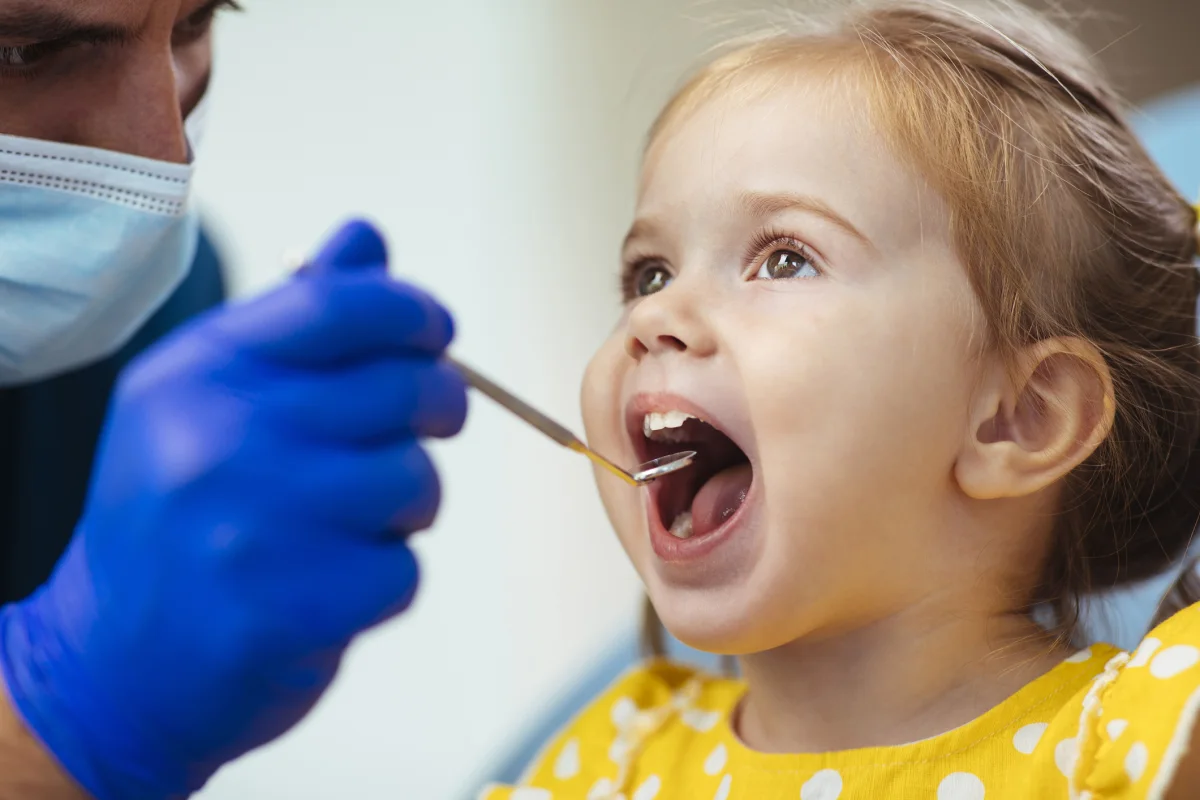
If your child is around seven and you are wondering whether their smile is on track, you are not alone. Baby teeth and adult teeth can overlap for years, which makes it hard to tell what is normal and what needs help.
A calm, early check provides clarity. It does not always mean treatment now. Often the best plan is simple monitoring as the adult teeth come through. When early guidance is useful, small steps can make a big difference later.
At Frankston Orthodontics, our Specialist Orthodontists assess growth, bite, and facial balance, then explain your options in clear, practical terms. We work around Frankston school timetables, sport, and music commitments so care fits your week.
What Phase 1 or interceptive orthodontics involves
Phase 1, also called interceptive orthodontics, is early care during mixed dentition, typically between ages 7 and 10. The goal is to guide jaw growth, create room for adult teeth, and reduce the risk of future crowding or impaction. It is not full straightening. Think of it as setting the foundation so later treatment, if needed, is simpler.
Common appliances include:
- Palatal expanders to widen a narrow upper jaw and help correct crossbite
- Habit appliances to discourage thumb or finger sucking that affects bite
- Space maintainers to hold space if a baby tooth is lost early
- Invisalign® First, a removable aligner option for suitable younger patients
An early assessment may lead to one of three paths: monitor and review, short interceptive care, or, less commonly, earlier comprehensive treatment if issues are advanced. Your child's plan is personalised to their growth and needs.
Signs your child should see an orthodontist
The Australian Society of Orthodontists recommends a first orthodontic check by age seven. Book sooner if you notice:
- Crowded, overlapping, or protruding teeth
- Crossbite, where upper teeth sit inside the lowers, or a bite that shifts
- Mouth breathing, noisy sleep, or snoring
- Thumb or finger sucking that persists beyond early primary years
- Early or late loss of baby teeth, or adult teeth that look stuck
- Jaw clicking, shifting, or asymmetry
- Difficulty chewing or frequent cheek or lip biting
These signs do not automatically mean treatment. They signal it is time to understand what is happening and whether gentle guidance could help.
When expanders or Invisalign® First may be recommended
Palatal expanders are often recommended when the upper jaw is narrow, there is a crossbite, or crowding suggests a lack of space for incoming adult teeth. Expansion can improve the bite relationship and create room, which may reduce the chance of impaction later.
Invisalign® First can be suitable when mild to moderate crowding, spacing, or certain crossbites can be addressed with removable aligners. They are planned from digital 3D scans and changed on a schedule. Aligners are taken out for eating, brushing, sport with a mouthguard, and music rehearsals where a reed or mouthpiece is involved.
Not every case suits aligners. Some growth patterns or tooth movements are better handled with fixed appliances or an expander. Your Specialist Orthodontist will explain why one option fits better than another.
How early care can simplify future treatment
Early interceptive care can:
- Guide jaw development at the right time
- Create room for adult teeth and lower the risk of impacted canines
- Reduce the complexity and length of later full treatment
- Smooth the transition to braces or aligners in the teen years
Every smile is different, and outcomes vary. The aim is to do the minimum needed now to prevent bigger problems later, then time comprehensive care when most adult teeth are in.
Appointments around Frankston schools, sport, and music
We understand families juggle assemblies, NAPLAN, school camps, Saturday sport, and music ensembles. At Frankston Orthodontics, reviews are typically every 6 to 10 weeks for aligners and scheduled as needed for expanders or fixed appliances. We offer:
- Before or after school options on weekdays where possible
- Coordination around local fixtures, swimming carnivals, Eisteddfod schedules, and concert nights
- Saturday appointments by special arrangement
- Clear advice on aligner changes, appliance turns, and mouthguard use for contact sport
If your child plays footy, netball, basketball, or hockey, we plan treatment and mouthguards accordingly. For brass and woodwind players, we discuss comfort strategies and appointment timing around rehearsals and performances.
What to expect at an early check
A first visit includes a bite and growth assessment, photos, and digital 3D scans where useful. We will explain whether monitoring, an expander, a habit or space-maintaining appliance, or Invisalign® First is appropriate. If treatment is not needed now, we set up review timing so we check in as growth occurs.
You will receive a written plan that outlines options, expected timelines, and costs. We provide item numbers for your health fund, discuss interest-free payment options for paediatric care, and explain how extras benefits often renew on 01 January so you can plan ahead.
Local care, flexible options
Our practice is at 1 Playne Street, Frankston, close to schools, public transport, and parking. Families visit us from across the Mornington Peninsula and south east. If you are looking for a Frankston orthodontist or comparing options for braces for kids, you can explore our children's care page to see how expanders, space maintainers, and early aligners fit into treatment planning.
- Learn more about treatment for children, including palatal expanders and space maintenance, at Frankston Orthodontics.
- If you are comparing aligner systems for older family members, our SureSmile Aligners page outlines a discreet option for suitable adult cases.
FAQ: quick answers for busy parents
What is Phase 1 or interceptive orthodontics?
Early, focused treatment during mixed dentition to guide jaw growth, create space, and lower future complexity. It is not full straightening.
What signs suggest a check now?
Crowding, crossbite or a shifting bite, mouth breathing, prolonged thumb or finger sucking, early or late loss of baby teeth, jaw asymmetry or clicking, difficulty chewing, or teeth that seem stuck.
When might an expander or Invisalign® First be used?
Expanders are used for a narrow upper jaw, crossbite, or space creation. Invisalign® First suits selected mild to moderate alignment needs and certain crossbites when removable aligners are appropriate.
Can early care shorten or simplify later treatment?
Often, yes. By creating space and guiding growth, later braces or aligners can be more straightforward and may take less time.
How are appointments timed around school and activities?
Reviews are set around school hours, sport, and music. We offer weekday flexibility and Saturday appointments by arrangement, plus clear guidance for mouthguards and instrument comfort.
Gentle next step
An early check gives you answers and a plan, whether that means simple monitoring or small steps that protect your child's future smile. Call Frankston Orthodontics on 03 9783 8577 or book a consultation online to arrange a convenient time around school, sport, or music.
Visit Us
Start your smile journey at Frankston Orthodontics today.
1 Playne Street,
Frankston
VIC 3199
Monday - Friday 08:30 - 17:00
Saturday by special appointments
