
Aug 15, 2026
Your guide to clear aligners vs braces: Which option suits your smile?
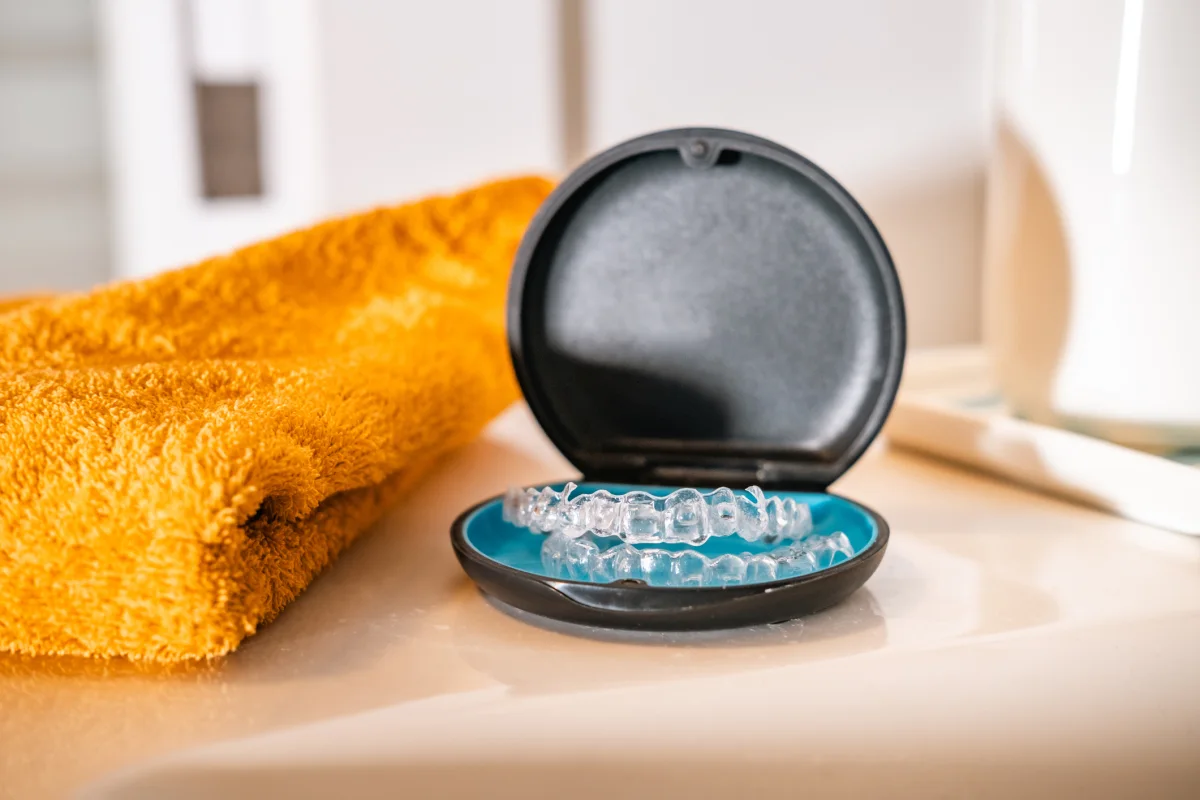
Thinking about straightening your teeth, but not sure whether clear aligners or braces are right for you? You are not alone. Adults and teens across Frankston and the Mornington Peninsula often weigh up comfort, visibility, lifestyle, and treatment time before deciding.
This guide explains how aligners and braces work, who they suit, how long treatment may take, and when a Specialist Orthodontist might recommend one option over the other. You will also find simple definitions for common orthodontic terms and what to expect with limited vs comprehensive care.
If you want tailored advice, a short assessment at Frankston Orthodontics can clarify your best path and costs before you commit.
How aligners and braces work
Clear aligners such as Invisalign®, SureSmile Aligners, and Spark are removable trays made from a 3D scan of your teeth. A digital plan stages small movements over a series of trays. You typically switch to a new set every 1 to 2 weeks. Aligners are removed for eating, drinking anything other than water, brushing, and sport with a mouthguard.
Fixed braces use small brackets and a wire to guide teeth into position. Options include LightForce® customised 3D-printed brackets, SureSmile braces with digitally planned wires, traditional metal braces, and clear ceramic braces. Braces stay on 24/7 and are adjusted at scheduled visits.
Plain-language terms
- Attachments: small tooth-coloured shapes placed on teeth to help aligners grip and move them more precisely.
- Elastics: small rubber bands used with aligners or braces to guide how upper and lower teeth meet.
- 3D planning: digital mapping of tooth movements to sequence treatment more predictably.
Comfort, visibility, and day-to-day life
Comfort: Both options can feel tender for a day or two after a new tray or adjustment. Aligners feel smooth; braces can rub at first, but orthodontic wax helps. Most people settle quickly.
Visibility: Aligners are very discreet. Clear ceramic braces are less noticeable than metal. LightForce® brackets can be tooth-coloured for extra discretion.
Lifestyle: Aligners suit busy routines at school, work, and sport because you can remove them to eat and for mouthguards. Braces are always on, so you will avoid very hard or sticky foods and take extra care when playing contact sport.
Who is a good candidate?
Aligners are often suitable for mild to moderate crowding or spacing, some crossbites, and cosmetic improvements when you can commit to wear, typically 20 to 22 hours per day. Teen aligners can include wear indicators for support.
Braces are often preferred for complex movements, significant bite correction, impacted or poorly positioned teeth, and when more appliance control is needed. They are also a good choice if consistent aligner wear would be difficult.
A Specialist Orthodontist will assess gum health, tooth positions, jaw growth, and bite function before recommending a plan.
What are LightForce® customised braces?
LightForce® uses 3D scans to design and 3D-print brackets uniquely shaped for each tooth. This tailored fit aims to improve comfort and precision, and can reduce the number of adjustments needed. Tooth-coloured options help keep treatment discreet. LightForce® sits alongside other solutions at Frankston Orthodontics, including traditional metal and clear ceramic braces, as well as SureSmile braces with digitally planned wires.
Timelines and review frequency
Treatment time depends on goals and complexity. Many comprehensive cases run 12 to 24 months for adults and teens, though this can vary. Limited cosmetic plans for minor front-tooth changes can finish in about 3 to 9 months with careful case selection and strong compliance.
Review visits are typically every 6 to 10 weeks. With aligners, you will change trays at home every 1 to 2 weeks as directed, and come in for checks and refinements. With braces, adjustments happen at your review visits. Digital monitoring may be used where appropriate.
Limited vs comprehensive treatment
Limited treatment focuses on defined cosmetic goals such as mild crowding or spacing at the front. It does not aim to correct the full bite. Comprehensive treatment addresses tooth positions and bite relationships more fully for long-term function and aesthetics.
At your consultation, you will receive a clear outline of what each path can achieve, estimated timelines, and payment options. Retainers are essential after both limited and comprehensive treatment to maintain your result. Expect full-time wear initially, then nights only as advised.
When an orthodontist may recommend one over the other
A Specialist Orthodontist may prioritise braces when:
- Bite correction needs stronger appliance control
- Teeth are impacted or erupting in complex positions
- Jaw growth patterns suggest fixed appliances or expanders
- Compliance with aligner wear is uncertain
Aligners may be preferred when:
- Goals are cosmetic or mild to moderate in scope
- You want a removable, discreet option that fits school, sport, or work
- Oral hygiene access is a priority
For younger patients, early checks can identify whether interceptive options like orthodontic or palatal expanders are beneficial before later aligners or braces.
Check-ups, school, sport, and work
- School and uni: Aligners are easy to remove for lunch and photos. Braces are low fuss day to day but need care with certain foods.
- Sport: With aligners, remove trays and use a mouthguard. With braces, use a well-fitting mouthguard and wax if needed.
- Work: Many adults choose aligners or clear ceramic braces for a lower profile in meetings and customer-facing roles.
Costs and interest-free options
Fees vary by complexity and appliance type. At consultation you will receive a written plan with item numbers for your health fund. Many private extras policies include orthodontic benefits with annual limits and a lifetime cap. Flexible, interest-free payment options are available for paediatric care, and the team can discuss suitable arrangements for teens and adults.
FAQ
How do aligners compare with braces for comfort, visibility, and results?
Both can deliver excellent results under specialist care. Aligners are very discreet and smooth; braces may feel tender after adjustments but are predictable for complex movements.
Who is a good candidate for aligners vs braces?
Aligners suit motivated wearers with mild to moderate concerns. Braces are typically recommended for complex tooth movements and significant bite correction.
What are LightForce® customised braces?
They are 3D-printed, tooth-specific brackets designed from your scan for a tailored fit, precision, and discretion.
How long does treatment take and how often are reviews?
Limited plans can be 3 to 9 months. Many comprehensive cases run 12 to 24 months. Reviews are commonly every 6 to 10 weeks.
What factors guide the recommendation?
Bite complexity, jaw growth, tooth position, hygiene, lifestyle, and your goals all influence whether aligners or braces are advised.
Ready to plan your smile?
Book an assessment with a Specialist Orthodontist at Frankston Orthodontics. We will explain aligners and braces clearly, map your timeline with 3D planning, and outline retention and payment options so you can choose with confidence. Book a consultation online to get started.
Visit Us
Start your smile journey at Frankston Orthodontics today.
1 Playne Street,
Frankston
VIC 3199
Monday - Friday 08:30 - 17:00
Saturday by special appointments
